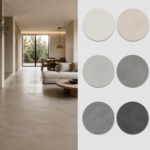
If you are searching for epoxy flooring near me in Cape Town, you may be looking for a strong, easy-to-clean and attractive flooring solution. Whether you are upgrading a home garage, a retail shop, an office, a restaurant or a warehouse, epoxy flooring can provide a durable surface that is built for everyday use.
In addition, epoxy flooring offers many design options. You can choose from solid colours, decorative flakes, metallic effects and quartz finishes. As a result, epoxy floors can suit both modern homes and busy commercial spaces.
Because Cape Town has a mix of residential, commercial and industrial properties, flooring needs can vary from one project to another. Therefore, it is important to choose an epoxy flooring system that suits the space, the amount of traffic and the condition of the existing concrete.
This guide explains epoxy flooring in Cape Town, including its benefits, uses, finishes, installation process, maintenance and how to choose the right local flooring contractor.
Why Choose Epoxy Flooring in Cape Town?
Epoxy flooring in Cape Town is a popular choice because it is strong, easy to maintain and available in many finishes. Furthermore, a properly installed epoxy floor can provide a smooth and seamless surface over prepared concrete.
The main benefits include:
Strong and durable surface
Easy cleaning
Low maintenance
Moisture resistance
Chemical resistance
Good wear resistance
Modern finishes
Different colours and designs
Suitable for homes and businesses
For example, epoxy flooring can be used in a home garage where vehicles and oil spills are common. Similarly, it can be used in a warehouse where forklifts and heavy equipment create more demanding conditions.
What Is Epoxy Flooring?
Epoxy flooring is made by mixing epoxy resin with a hardener. Once combined, the materials form a strong coating that bonds to a properly prepared concrete floor.
Unlike ordinary floor paint, epoxy is designed to create a tougher surface. Therefore, it is often used in areas where floors need to handle regular traffic, spills and general wear.
Depending on the system, epoxy flooring can be used in:
Homes
Garages
Offices
Retail stores
Restaurants
Workshops
Warehouses
Factories
Medical facilities
Showrooms
Why Does Epoxy Flooring Work Well in Cape Town?
Cape Town has changing weather conditions, including winter rain, coastal moisture and strong summer sunlight. Because of this, flooring needs can vary between indoor and outdoor spaces.
When the concrete is properly prepared, epoxy can provide a protective surface that is easier to clean and maintain.
Protection From Everyday Moisture
For example, garages, workshops and commercial areas may be exposed to water, spills and cleaning. Epoxy creates a sealed surface that can help protect the prepared concrete underneath.
However, moisture within the concrete should be checked before installation. Too much moisture can affect how some epoxy systems bond to the surface.
Epoxy Flooring for High-Traffic Areas
In addition, epoxy flooring can be suitable for busy areas. Depending on the system selected, it can handle:
Foot traffic
Vehicle traffic
Forklifts
Machinery
General impact
Regular cleaning
Everyday wear
As a result, epoxy flooring can be a practical option for homes, shops, workshops and industrial properties.
Where Can Epoxy Flooring Be Used?
One of the main advantages of epoxy flooring is its flexibility. For this reason, it can be used in many different types of properties.
Residential Epoxy Flooring
Homeowners can use epoxy flooring in:
Garages
Home gyms
Workshops
Laundry rooms
Storage rooms
Entertainment areas
Covered patios
Utility areas
Furthermore, decorative epoxy finishes can give selected areas a modern appearance while remaining easy to clean.
Commercial Epoxy Flooring
Businesses also use epoxy flooring in areas where a clean and durable surface is important.
Common applications include:
Retail shops
Restaurants
Coffee shops
Hotels
Offices
Reception areas
Medical practices
Beauty salons
Showrooms
For example, a restaurant may benefit from a seamless floor that is simple to clean. Meanwhile, a retail store may choose a decorative finish to improve the appearance of the space.
Industrial Epoxy Flooring
Industrial properties often have more demanding flooring needs. Therefore, the epoxy system should be selected according to the expected traffic and working conditions.
Industrial applications include:
Warehouses
Distribution centres
Factories
Engineering workshops
Automotive workshops
Manufacturing facilities
Logistics centres
Storage areas
In addition, industrial epoxy flooring can be designed for areas where chemical resistance, impact resistance or additional slip resistance is required.
Popular Epoxy Flooring Finishes
Modern epoxy flooring offers many design choices. As a result, you do not have to settle for a plain grey floor.
Metallic Epoxy Flooring
Metallic epoxy creates flowing patterns and a decorative appearance. Therefore, it can work well in spaces where the floor is an important part of the interior design.
It can be used in:
Luxury homes
Hotels
Restaurants
Reception areas
Showrooms
High-end retail spaces
Flake Epoxy Flooring
Flake flooring uses coloured flakes within the epoxy system. In addition, the flakes add texture and visual interest.
Flake epoxy is often suitable for:
Garages
Workshops
Gyms
Utility rooms
Commercial areas
Solid Colour Epoxy Flooring
Solid colour epoxy provides a clean and simple finish. For example, businesses may choose a neutral colour for a professional appearance, while homeowners may select a colour that matches their interior.
Quartz Epoxy Flooring
Quartz epoxy includes coloured quartz aggregate within the flooring system. As a result, it can provide a textured surface with added durability.
This option can be useful in commercial and industrial areas where additional surface grip may be required.
How Is Epoxy Flooring Installed?
A good epoxy floor starts with proper preparation. In fact, surface preparation is one of the most important parts of the installation.
Step 1: Inspect the Concrete
First, the contractor checks the existing concrete. This includes looking for:
Cracks
Damage
Previous coatings
Oil contamination
Moisture
Weak areas
Uneven surfaces
As a result, the contractor can choose the correct preparation method.
Step 2: Prepare the Surface
Next, the concrete is mechanically prepared. For example, grinding may be used to remove old coatings and create a suitable surface for the epoxy.
Without proper preparation, the epoxy may not bond correctly. Therefore, this stage should not be rushed.
Step 3: Repair Damage
After preparation, cracks and damaged areas are repaired. This helps create a more even surface before the coating is applied.
Step 4: Apply the Primer
Where required, a primer is applied to help the epoxy bond to the prepared concrete.
Once the primer has been applied correctly, the main epoxy system can be installed.
Step 5: Apply the Epoxy
The contractor applies the selected epoxy coats according to the flooring system.
Depending on the design, this may include:
Base coats
Decorative flakes
Metallic pigments
Quartz aggregate
Additional coats
Step 6: Apply the Final Protective Coat
Finally, a protective topcoat may be applied. For example, polyurethane or polyaspartic coatings can be used with some systems to provide additional protection.
As a result, the finished floor can have improved resistance to wear, scratches and other everyday demands.
How Long Does Epoxy Flooring Last?
The lifespan of epoxy flooring depends on several factors. These include:
Concrete condition
Surface preparation
Product quality
Coating thickness
Installation quality
Traffic levels
Chemical exposure
Maintenance
Environmental conditions
Generally, a residential epoxy floor can provide many years of service. However, industrial floors may experience more wear because of forklifts, machinery and heavy traffic.
Therefore, the expected use of the floor should always be considered before selecting an epoxy system.
How to Choose Epoxy Flooring Near Me in Cape Town
When searching for epoxy flooring near me, do not choose a contractor based only on price. Instead, look at the company’s experience, preparation methods and previous projects.
Ask potential contractors about:
Previous epoxy flooring projects
Surface preparation
Products being used
Coating thickness
Installation process
Expected maintenance
Previous customer projects
Reviews and references
Most importantly, make sure the contractor understands the condition of your existing concrete.
Areas We Serve Across Cape Town
Professional epoxy flooring in Cape Town can be used across many suburbs and surrounding areas, including:
Cape Town CBD
Atlantic Seaboard
Southern Suburbs
Northern Suburbs
Century City
Milnerton
Montague Gardens
Epping
Bellville
Durbanville
Brackenfell
Kuils River
Somerset West
Strand
Gordon’s Bay
Paarl
Stellenbosch
Wellington
Malmesbury
Atlantis
Bloubergstrand
Table View
Whether you are a homeowner, developer, architect, contractor or business owner, the right epoxy flooring system should be selected according to the needs of your property.
Fortunately, epoxy flooring is relatively easy to maintain. Regular cleaning can help keep the floor looking good and performing well.
A simple maintenance routine includes:
First, sweep the floor regularly.
Next, remove dirt and debris.
Then, clean spills as soon as possible.
Afterwards, damp mop the surface with a suitable cleaning product.
In addition, avoid harsh products that could damage the finish.
Finally, repair chips or damaged areas when necessary.
For industrial floors, cleaning requirements may be higher because of machinery, chemicals and heavy traffic.
Frequently Asked Questions About Epoxy Flooring
Is Epoxy Flooring Suitable for Cape Town?
Yes. Epoxy flooring can work well in Cape Town when the concrete is properly prepared and the correct system is selected for the environment.
Can Epoxy Flooring Be Used in a Garage?
Yes. In fact, garages are one of the most common residential applications for epoxy flooring. The surface is durable, easy to clean and suitable for vehicle traffic.
Is Epoxy Flooring Slippery?
Epoxy flooring can become slippery when wet. However, anti-slip additives can be included in suitable systems to improve traction.
How Do I Clean Epoxy Flooring?
Regular sweeping and damp mopping can help keep epoxy floors clean. In addition, spills should be cleaned promptly.
How Do I Find Epoxy Flooring Near Me?
Start by looking for local flooring contractors with proven experience in epoxy installation. Then, compare their previous projects, preparation methods, products and customer feedback before making a decision.
Final Thoughts on Epoxy Flooring Near Me in Cape Town
If you have been searching for epoxy flooring near me in Cape Town, epoxy can be an excellent option for homes, businesses, workshops and industrial properties.
From garages and home gyms to restaurants, retail stores, offices and warehouses, epoxy flooring can provide a strong and attractive surface. Furthermore, the range of colours and finishes allows property owners to create a floor that suits the style of the space.
Ultimately, good results depend on proper surface preparation, the right epoxy system and professional installation. Therefore, take the time to choose an experienced contractor who can assess your concrete and recommend a suitable solution.
If you are ready to explore epoxy flooring in Cape Town, contact Atomic Flooring to discuss your project and arrange a professional assessment.