As building technologies continue to advance, heating solutions have shifted toward systems that offer improved efficiency, comfort, and design flexibility. Among these innovations, under floor heating cable systems have become one of the most effective ways to achieve even, controlled warmth across both residential and commercial spaces.
These electric heating systems are designed to distribute heat directly from beneath the floor surface, creating a consistent temperature throughout a room. Their adaptability, energy efficiency, and ease of integration with modern flooring materials make them a popular choice for contemporary construction and renovations.
At Atomic Flooring, under floor heating cable systems are widely used in combination with high-performance flooring finishes to deliver superior comfort and long-term reliability.
This guide explains how these systems work, their installation principles, temperature control features, efficiency advantages, and where they are most commonly applied.
What Are Under Floor Heating Cable Systems?
Under floor heating cable systems are electric heating solutions made up of specially designed cables installed beneath the floor surface. When electricity flows through the cables, they heat up and gently radiate warmth upward into the room.
Unlike traditional heating systems that warm air from a single point, these cable systems heat the entire floor evenly, creating a comfortable indoor environment.
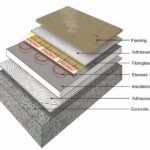
Main Components Typically Include:
- Electric heating cables
- Insulation layers
- Temperature sensors
- Thermostat controls
- Protective floor coverings
Together, these components form an efficient radiant heating system that maintains consistent warmth.
How Under Floor Heating Cable Systems Work
The principle behind under floor heating cable systems is simple but highly effective.
- The heating cables are laid out in a planned pattern across the subfloor.
- Insulation beneath the cables prevents heat loss downward.
- When activated, the cables warm up evenly.
- Heat rises naturally through the floor surface into the room.
- A thermostat regulates the temperature for comfort and energy efficiency.
This method ensures steady warmth without temperature fluctuations or cold spots.
System Layout and Design
Proper layout is crucial for optimal performance.
Key Design Considerations Include:
- Room size and shape
- Heat output requirements
- Floor covering type
- Insulation thickness
- Cable spacing
Professional installation ensures cables are evenly distributed, allowing consistent heating across the entire floor.
Some areas, such as under permanent fixtures, may be excluded from heating zones to improve efficiency.
Installation Principles
Installing under floor heating cable systems involves several carefully planned steps to ensure long-lasting performance.
1. Subfloor Preparation
The surface must be:
- Clean
- Level
- Structurally sound
This provides a solid base for the heating system.
2. Insulation Installation
Insulation boards or layers are installed to:
- Prevent heat loss downward
- Improve system efficiency
- Reduce heating times
3. Cable Placement
Heating cables are arranged according to the layout plan, maintaining consistent spacing for even heat distribution.
4. Sensor and Thermostat Setup
Temperature sensors are placed between cables and connected to a thermostat to regulate heat levels.
5. Floor Covering Installation
Once the system is secured and tested, the final flooring layer is installed.
6. System Testing
Before use, the system is tested to ensure:
- Proper heating
- Safe electrical performance
- Accurate temperature control
Temperature Control and Comfort
One of the biggest advantages of under floor heating cable systems is precise temperature management.
Smart Thermostats
Modern systems often use programmable or smart thermostats that allow:
- Scheduled heating times
- Energy-saving modes
- Remote control via mobile devices
Zoned Heating
Different rooms can have independent temperature settings, allowing:
- Custom comfort levels
- Reduced energy waste
Consistent Heat Output
Unlike traditional heaters that cycle on and off aggressively, cable systems provide steady warmth.
Energy Efficiency Advantages
Under floor heating cable systems are designed to operate efficiently while delivering maximum comfort.
Lower Heat Loss
With insulation directing heat upward, very little energy is wasted.
Even Distribution
Uniform heating reduces the need for high temperatures.
Faster Heating Times
Well-installed systems warm up quickly, saving energy during use.
Reduced Overall Energy Usage
By maintaining consistent warmth at lower temperatures, many users experience lower heating costs.
Common Residential Applications
Under floor heating cable systems are highly versatile and well-suited for homes.
Bathrooms
Perfect for:
- Warm floors after showers
- Quick heating in small spaces
Kitchens
Great for tiled areas that typically feel cold.
Living Rooms
Provides comfortable warmth without bulky radiators.
Bedrooms
Creates a cosy environment with clean aesthetics.
Renovation Projects
Cable systems are thin and easy to install, making them ideal for upgrades.
Commercial Applications
Many commercial spaces benefit from the efficiency and durability of under floor heating cable systems.
Offices
Provides consistent temperatures without noise or drafts.
Retail Stores
Creates comfortable shopping environments.
Hotels
Enhances guest comfort in rooms and bathrooms.
Restaurants
Maintains warmth while preserving interior design aesthetics.
Healthcare Facilities
Supports hygienic environments with even temperature control.
Flooring Compatibility
Under floor heating cable systems work well with many flooring materials.
Highly Compatible Options:
- Terrazzo flooring
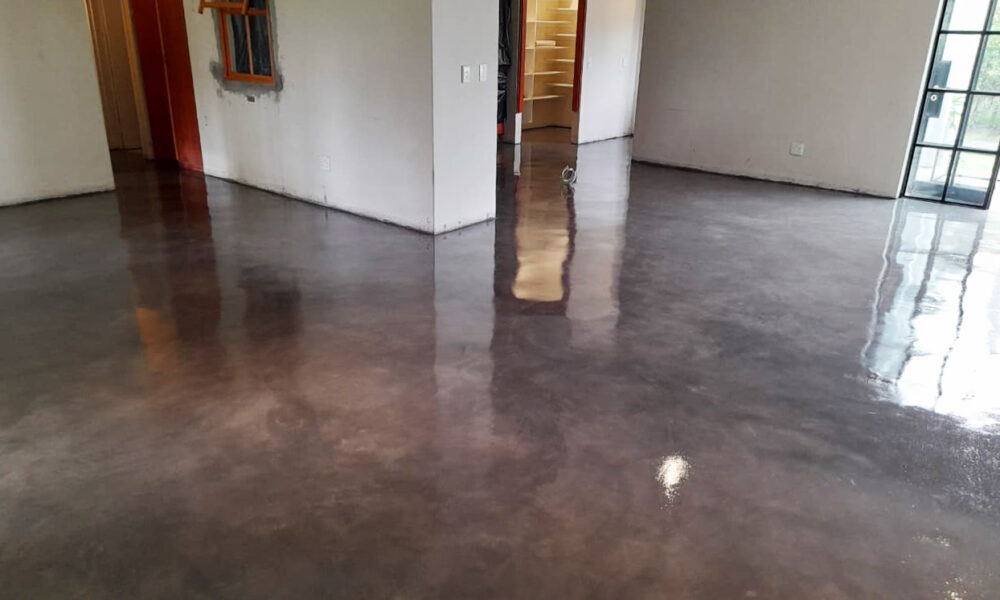
- Polished concrete
- Ceramic tiles
- Natural stone
These materials conduct heat effectively and maximise performance.
Some engineered wood and vinyl floors may also be suitable when designed for heated environments.
Safety Features
Modern systems are built with safety in mind.
Common Safety Elements Include:
- Insulated cables
- Overheating protection
- Moisture resistance
- Temperature sensors
Professional installation ensures compliance with safety standards.
Maintenance and Longevity
Under floor heating cable systems are low-maintenance.
Typical Care Includes:
- Periodic thermostat checks
- Avoid damaging floor surfaces
- Monitoring system performance
Most systems are designed to last for many years without issues.
Cost Considerations
Initial Installation Costs
These depend on:
- Area size
- Flooring type
- Insulation requirements
- System complexity
Long-Term Savings
Lower energy usage and minimal maintenance often balance out initial expenses.
Increased Property Value
Modern heating systems can enhance property appeal and resale value.
Comparing Under Floor Heating Cable Systems with Other Heating Options
| Feature | Cable Systems | Radiators | Central Air Heating |
|---|---|---|---|
| Heat Distribution | Even | Uneven | Moderate |
| Energy Efficiency | High | Medium | Medium |
| Aesthetic Impact | Hidden | Visible | Minimal |
| Installation Flexibility | High | Medium | Low |
| Maintenance | Low | Medium | High |
| Comfort Level | Excellent | Moderate | Moderate |
Why Choose Under Floor Heating Cable Systems with Atomic Flooring?
Atomic Flooring ensures proper integration between heating systems and flooring finishes, delivering optimal performance and comfort.
Benefits include:
- Professional system design
- High-quality heating materials
- Expert installation
- Flooring solutions optimised for heat transfer
This guarantees long-term reliability and efficiency.
Are Under Floor Heating Cable Systems Right for You?
They are an excellent choice if you want:
✔ Even warmth throughout rooms
✔ Energy-efficient heating
✔ Clean interior design without radiators
✔ Reliable and low-maintenance systems
✔ Comfort in both residential and commercial spaces
Final Thoughts
Under floor heating cable systems represent a modern, efficient, and comfortable approach to indoor heating. By distributing heat evenly across floor surfaces, they eliminate cold spots, reduce energy usage, and support sleek architectural designs.
Their versatility makes them suitable for a wide range of applications, from bathrooms and homes to large commercial buildings.
When professionally installed and paired with the right flooring materials, under floor heating cable systems provide long-term comfort, efficiency, and value.